
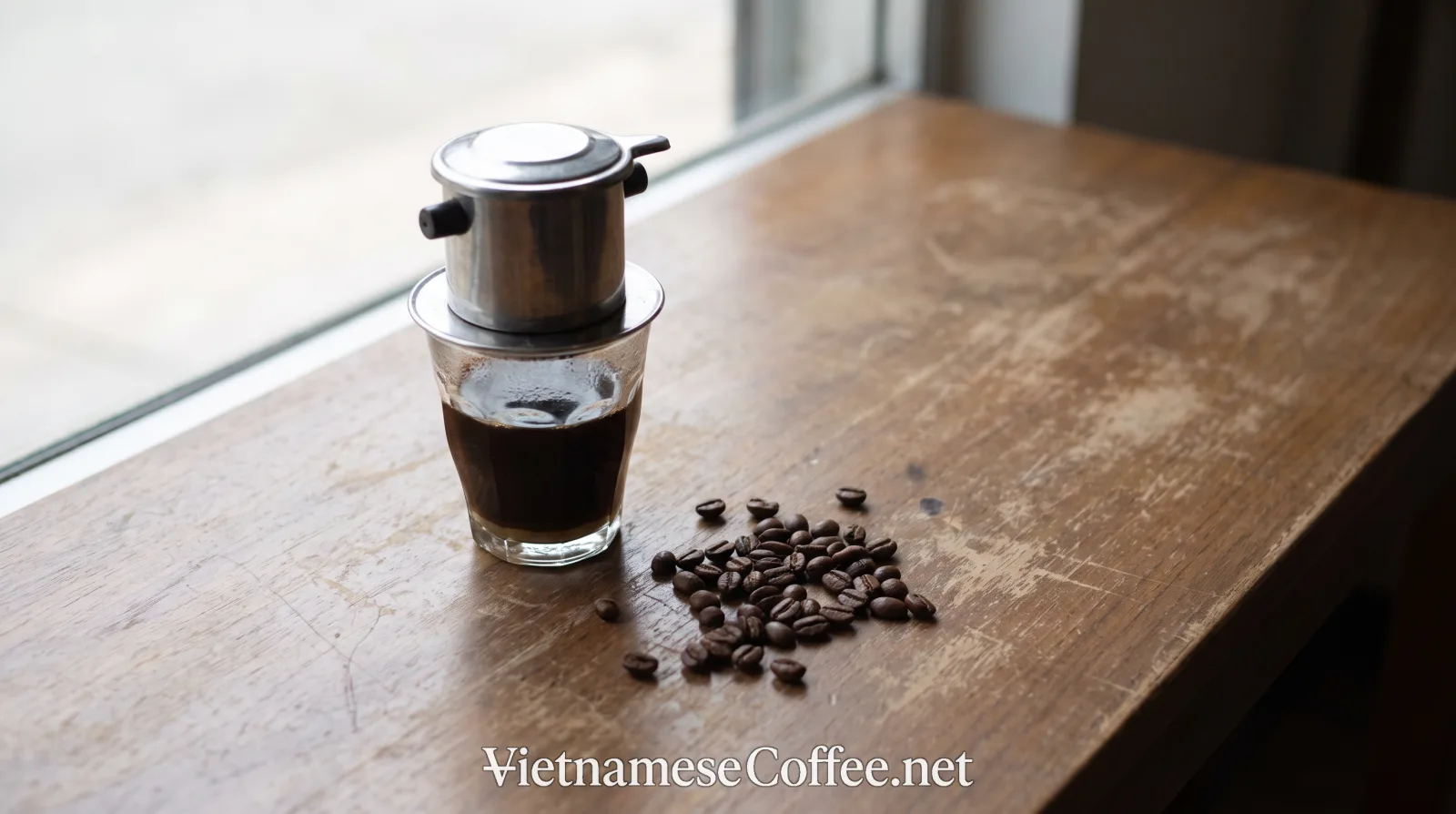
What research associates with coffee consumption
Several large, peer-reviewed reviews report a broadly consistent pattern of associations for coffee consumption generally. A 2017 umbrella review published in BMJ, pooling existing meta-analyses across many health outcomes, found coffee consumption associated with lower risk of all-cause mortality, cardiovascular disease mortality, coronary heart disease, and stroke, with the lowest relative risks in the studies it reviewed occurring around three cups per day for several outcomes. Importantly, that review is explicit about its own limits: the evidence is predominantly observational, reverse causation and confounding factors can't be ruled out, and randomized controlled trials are needed before these associations can be treated as causal or turned into firm intake recommendations. A 2025 review reported similar associations for habitual intake in the three-to-four-cup range, and a 2026 review in the journal Molecules cites a meta-analysis of over 1.1 million participants finding a 6% relative reduction in type 2 diabetes risk per additional daily cup, again as an observed association rather than a demonstrated causal relationship.
The specific cup-count figures that appear across this research describe the intake levels where the lowest risks were observed in particular studies, not a recommended amount to aim for, and not a figure that translates directly to a concentrated Vietnamese serving; the coffee measured in these studies is typically standard drip or filter coffee, with different volume and concentration than a phin-brewed cup. Treat "three to four cups" as a description of what specific studies found, not as health advice this page is giving you.
The robusta and roast-level nuance

Vietnamese coffee is typically brewed from robusta rather than arabica, and it's commonly claimed that this makes it more antioxidant-rich, since chlorogenic acid, coffee's most abundant antioxidant compound, is present in higher concentrations in raw robusta beans than in raw arabica beans. This part is well supported at the green-bean level. What's genuinely unsettled is how much of that advantage survives roasting, and Vietnamese coffee is typically dark-roasted.
Two peer-reviewed sources reviewed for this page disagree on this specific point. A 2013 review found that robusta's green-bean antioxidant advantage over arabica largely disappears after light roasting, and that after dark roasting, arabica can actually exceed robusta in measured antioxidant activity. A separate 2016 comparative study, however, found robusta's antioxidant advantage persisting across a range of roast levels it tested, including darker roasts. Because these two studies reach different conclusions about dark roast specifically, this page doesn't present "robusta has more antioxidants than arabica" as a settled fact for a typical cup of Vietnamese coffee; the research is genuinely mixed on this specific point once roast level is factored in.
What condensed milk adds to the picture

Traditional Vietnamese coffee, whether served hot as cà phê sữa nóng or iced as cà phê sữa đá, is commonly prepared with sweetened condensed milk, and this adds a separate nutritional consideration from coffee's own effects. According to USDA FoodData Central, one tablespoon (about 19.1 g) of sweetened condensed milk contains roughly 61 calories and 10.4 g of carbohydrate, nearly all of it sugar. The World Health Organization recommends limiting free sugars, including added sugars like this, to less than 10% of total daily energy intake, equivalent to roughly 50 g for a 2,000-calorie diet, with a further reduction below 5% (about 25 g) suggested for additional health benefit. A serving of Vietnamese coffee made with two to three tablespoons of condensed milk, a range consistent with common home recipes, would already account for a meaningful share of that daily free-sugar allowance on its own.
None of the general coffee-and-health research summarized above specifically measured coffee prepared with condensed milk at typical Vietnamese-recipe quantities, so the cardiovascular and metabolic associations described in that research apply most directly to coffee itself, not necessarily to a heavily sweetened condensed-milk preparation consumed regularly. It's worth treating "coffee consumption is associated with certain health benefits" and "a sweet, condensed-milk-based coffee habit has no sugar-related tradeoffs" as two separate claims, since only the first is supported by the research reviewed here; the WHO's sugar guideline applies independently of anything coffee itself may or may not do.
Caffeine, pregnancy, and individual variation
Coffee's caffeine content varies by bean, dose, and preparation, and general population research on moderate coffee intake doesn't automatically apply to everyone. For pregnant readers specifically, the established guidance comes from the American College of Obstetricians and Gynecologists (ACOG): current research suggests moderate caffeine consumption, defined as less than 200 mg per day from all sources combined, coffee, tea, chocolate, and other caffeinated products, does not appear to meaningfully increase the risk of miscarriage or preterm birth. This 200 mg limit applies to total daily caffeine regardless of which specific coffee preparation it comes from; this page does not make a specific claim about how a typical Vietnamese coffee serving's caffeine content compares to other coffee styles; see this site's dedicated page on caffeine content for why that particular comparison isn't reliably established.
Beyond pregnancy, people who are generally caffeine-sensitive, or who are managing a condition affected by caffeine, should base their own limits on how they personally respond and on guidance from a healthcare provider, rather than assuming any specific coffee style is automatically safer or riskier without checking its actual caffeine content, since that content depends on dose and preparation rather than the coffee's country of origin or brewing tradition alone.
This page summarizes population-level research and established public-health guidelines rather than offering individualized medical guidance; readers with specific health conditions, medications, or life circumstances should check with a healthcare provider about what level of coffee consumption is appropriate for them.