
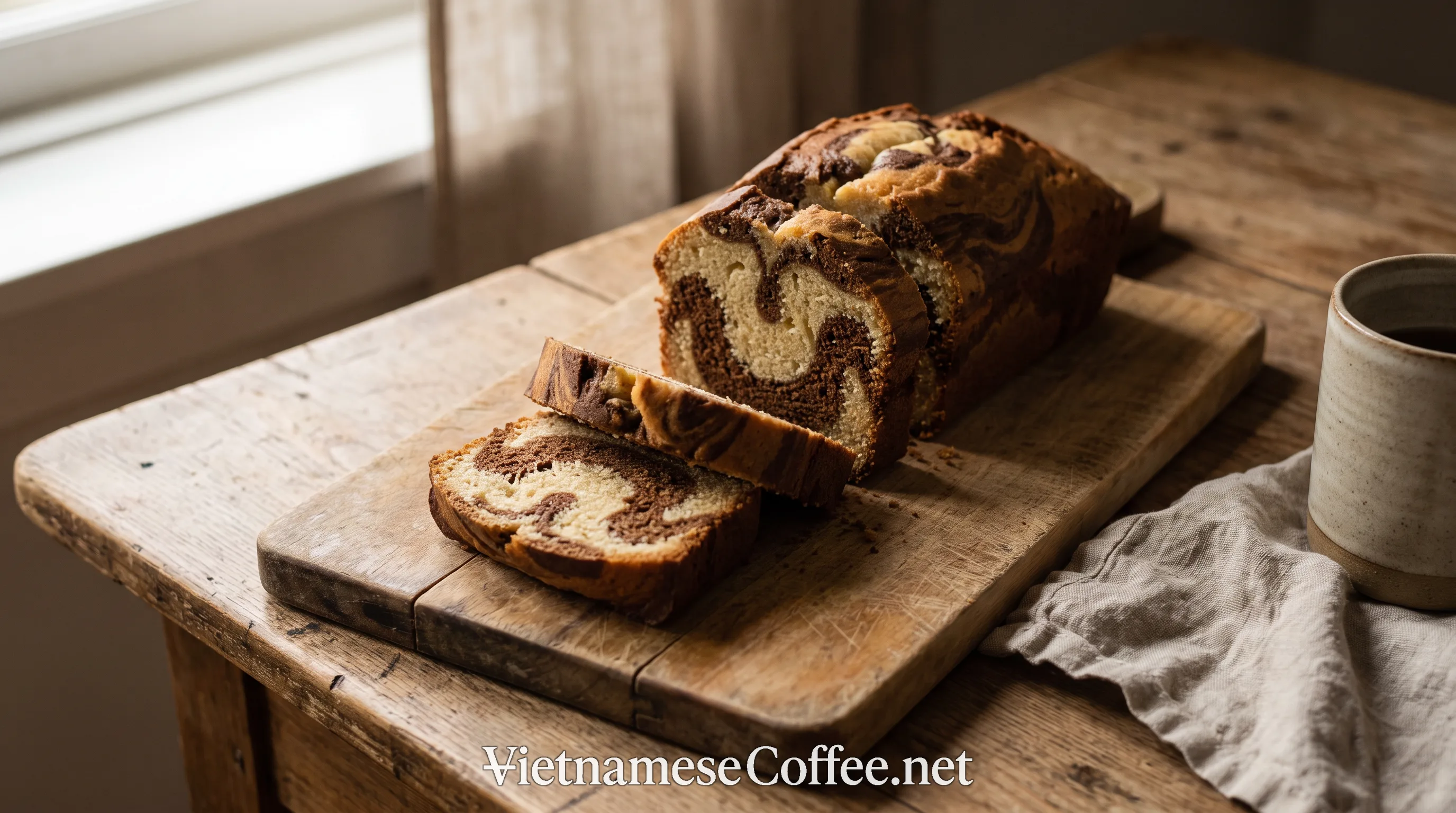
Ingredients
| Ingredient | Amount | Notes |
|---|---|---|
| Unsalted butter, melted and cooled | 60g (1/4 cup) | |
| Medium eggs | 2 | |
| All-purpose flour | 130g (1 cup plus 1 tbsp) | |
| Baking powder | 1 tsp | |
| Baking soda | 1/2 tsp | |
| Fine salt | 1/4 tsp | |
| Sweetened condensed milk | 300g (1 cup) | See this site's condensed milk guide for background on this ingredient |
| Vegetable oil | 40ml | |
| Instant coffee granules | 2 tbsp, dissolved in 2 tbsp hot water | The source specifically recommends instant coffee over brewed beans, since baking removes much of brewed coffee's flavor |
| Vanilla extract | 1/2 tsp |
Step-by-step method
Step 1: Prepare the tin and oven
Preheat the oven to 180°C (356°F). Line a 2lb loaf tin with a sling of baking paper, leaving some overhang on the long sides to help lift the finished cake out later.
Step 2: Mix the wet base
In a medium bowl, mix the melted butter with the eggs until combined.
Step 3: Combine the dry ingredients
In a separate small bowl, mix the flour, baking powder, baking soda, and salt.
Step 4: Build the base batter
Add one-third of the flour mixture to the butter-and-egg mixture, stirring well to combine. Whisk in the condensed milk and oil until smooth. Add the remaining flour mixture and stir just until no dry, floury patches remain.
Step 5: Split off the coffee batter
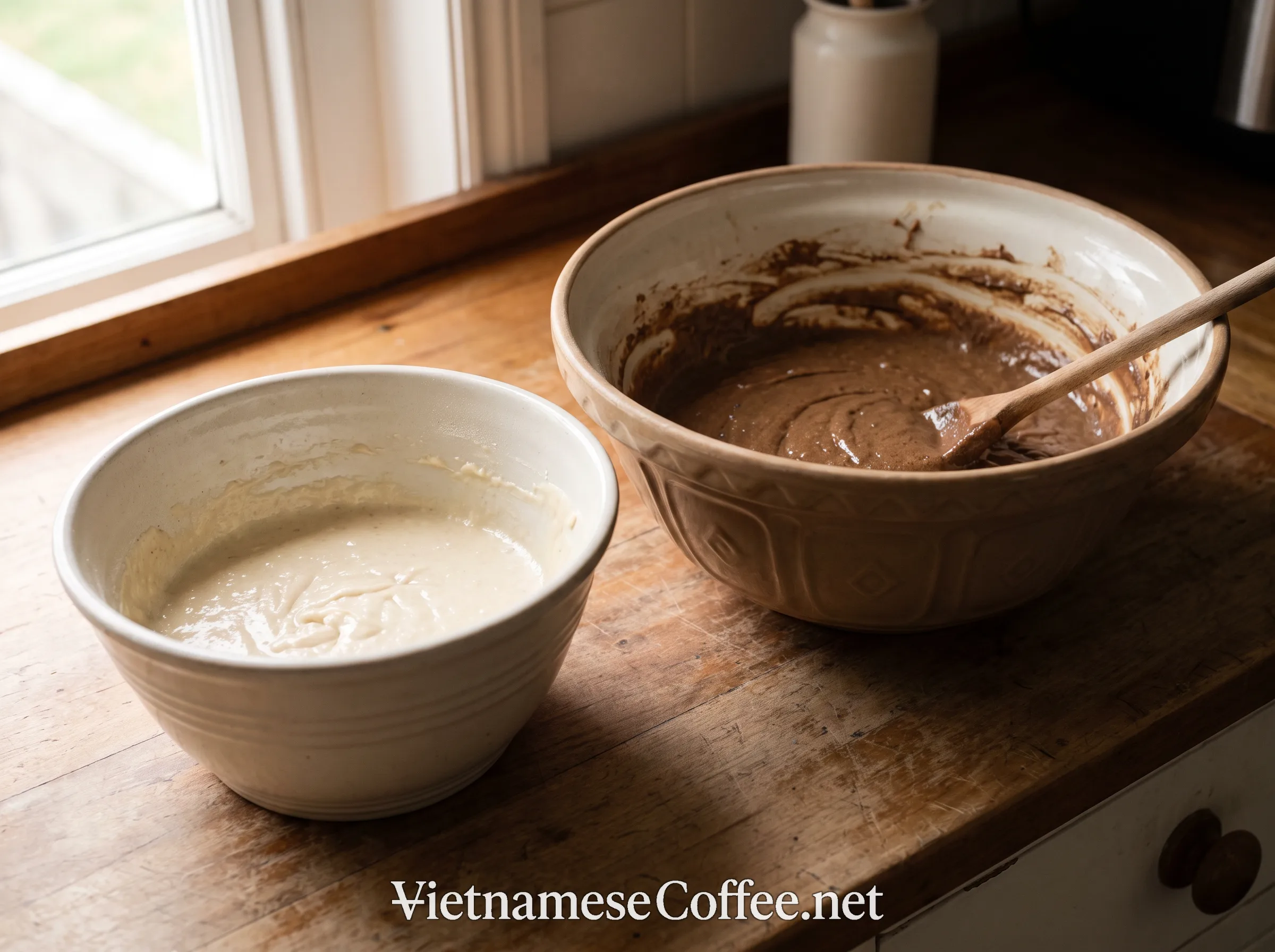
In a separate bowl, dissolve the instant coffee granules in the hot water. Pour 250g (about 1 cup) of the finished cake batter into the dissolved coffee and stir gently to combine; this is your coffee batter. The remaining batter, which is not an equal half, stays in the original bowl; stir the vanilla extract into it to make your vanilla batter.
Step 6: Layer the batters
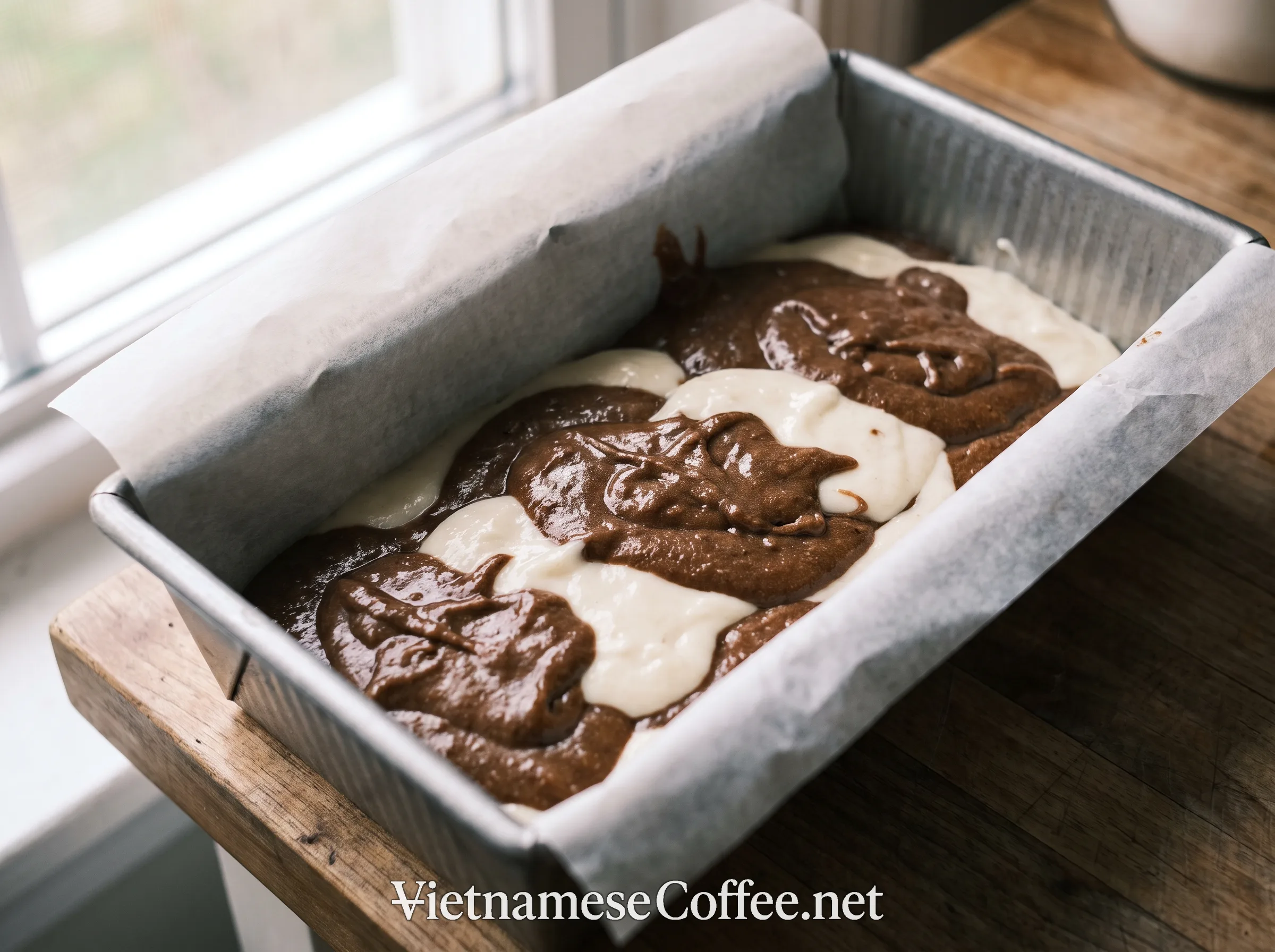
Spoon a few tablespoons of coffee batter into the prepared loaf tin, then layer a few tablespoons of vanilla batter on top. Repeat, alternating between the two batters, until both are used up. Do not swirl the layers with a knife; the source notes that swirling tends to merge the layers too much and produces a less defined marbled pattern than simply layering them.
Step 7: Bake
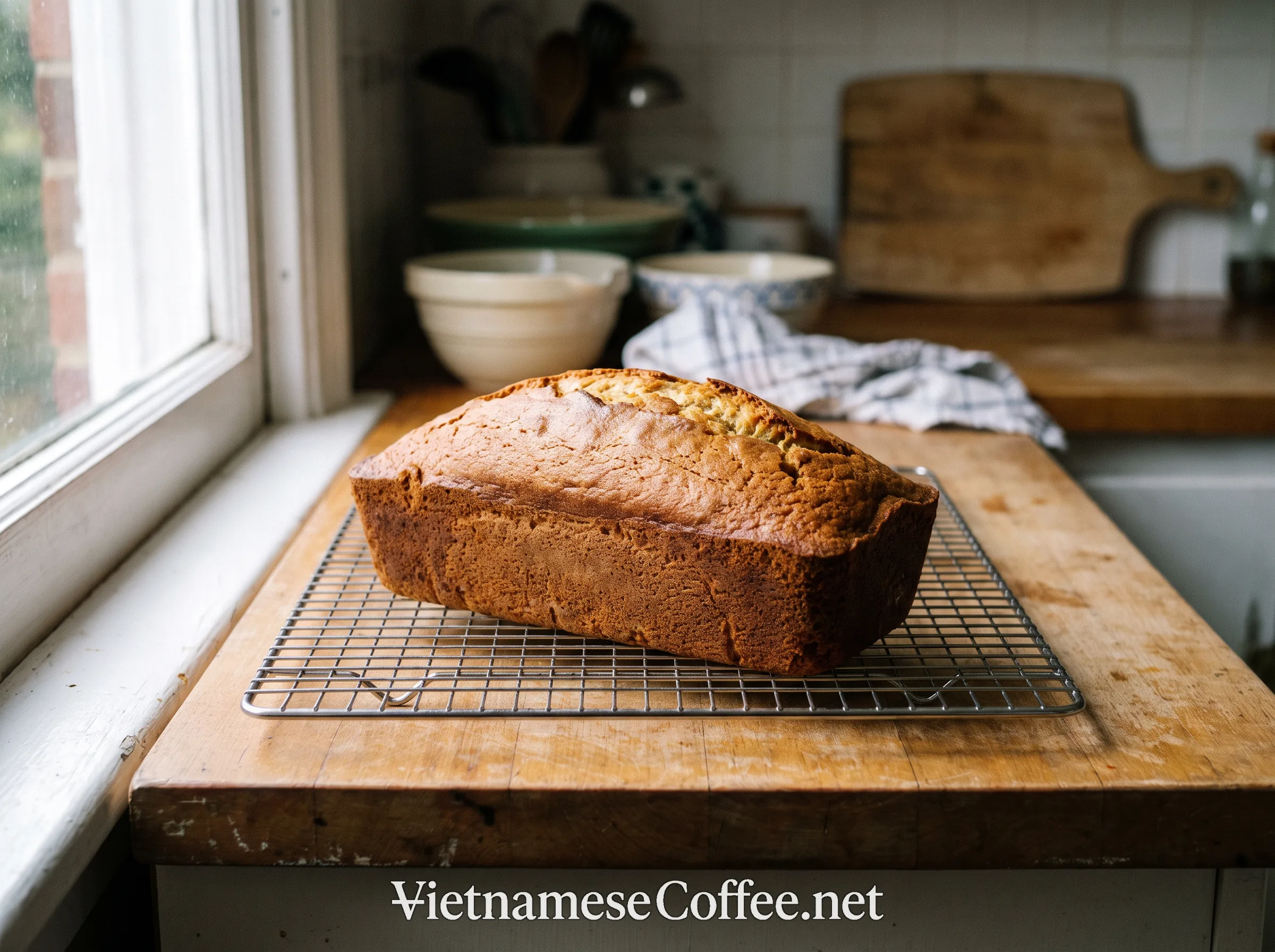
Bake for 40 to 50 minutes, until the cake is well risen and a toothpick inserted into the center comes out clean.
Step 8: Cool and serve
Let the cake cool in the tin for 10 minutes, then loosen it with a butter knife and turn it out onto a wire rack. Cool completely before slicing, so the crumb has time to set.
Variations
Several published versions take the same coffee-and-condensed-milk flavor pairing in different directions rather than sticking to a marbled loaf. Food52's version uses a spiced yogurt cake batter flavored with instant coffee and a touch of cardamom, then tops the finished cake with a cooked "brigadeiro"-style glaze, sweetened condensed milk simmered with strongly brewed coffee and butter until thick and glossy, optionally loosened with a little heavy cream.
Hummingbird High's version uses a bundt cake format instead of a loaf. Rather than instant coffee, it mixes both espresso powder and brewed coffee or espresso directly into the portion of batter destined for the coffee swirl, then uses brewed coffee or espresso a second time in a confectioners'-sugar glaze applied after baking. Flavour Network's version goes further still, using a streusel-topped, coffee-sour-cream bundt cake finished with a simple glaze made from condensed milk, icing sugar, and coffee whisked together.
These variations show that "Vietnamese coffee cake" functions as a flexible flavor concept, strong coffee and condensed milk applied to a cake format, rather than one fixed recipe or one fixed approach to where the coffee flavor comes from.
Getting the coffee flavor right
Sources reviewed for this page take different approaches to where the coffee flavor comes from, so there is no single rule that applies across all of them. Top With Cinnamon specifically uses instant coffee dissolved in hot water for her batter, explaining that she avoids using good brewed coffee beans in cake batter because much of their flavor is lost during baking.
If you're following the primary recipe on this page and want a stronger coffee presence than the batter alone provides, you could add a coffee-based glaze on top after baking, following Food52's or Flavour Network's approach of combining condensed milk with strongly brewed coffee for a finishing layer. This is an optional addition beyond Top With Cinnamon's original recipe, not a step included in her method.